News
Small Scale Jam Production
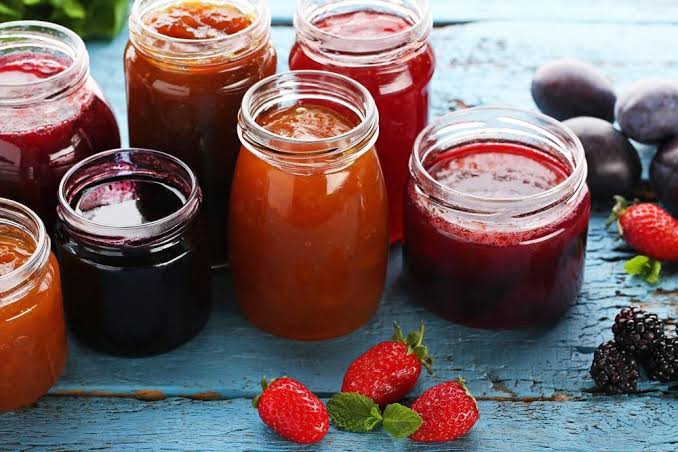
Thinking about producing Mixed Fruit Jam for the local market?
Small-Scale Mixed Fruit Jam Production (100kg per Batch)
What does it take to make your favourite Mixed Fruit Jam? Let's explore the process of making a 100kg batch of Mixed Fruit Jam. Aseyori Consulting has got your back for ALL your equipment needs.
Ingredients (for 100kg batch)
Red Fruits (strawberries, raspberries, cherries, or a mix) – 60kg
Sugar – 35kg
Pectin – 300g (0.3% of total weight)
Citric Acid (or Lemon Juice) – 200g
Water (if needed, for consistency adjustment) – 4.5kg
Equipment Required
Fruit Washer – For cleaning the fruits thoroughly
Fruit Crusher or Pulping Machine – To crush and puree the fruits
Steam Jacketed Kettle (100-150L capacity) – For cooking and boiling the jam
Mixer (with agitator or paddle) – To mix ingredients evenly
Brix Refractometer – To check sugar content (target: 65-68° Brix)
pH Meter – To ensure the pH is between 3.0-3.5 for preservation
Filling Machine – For hot-filling jars or containers
Capping Machine – For Sealing of Containers
Batch Printing Machine - For printing of manufacturing, best before date and batch information
Cooling Conveyor or Water Bath – To cool the jam before storage
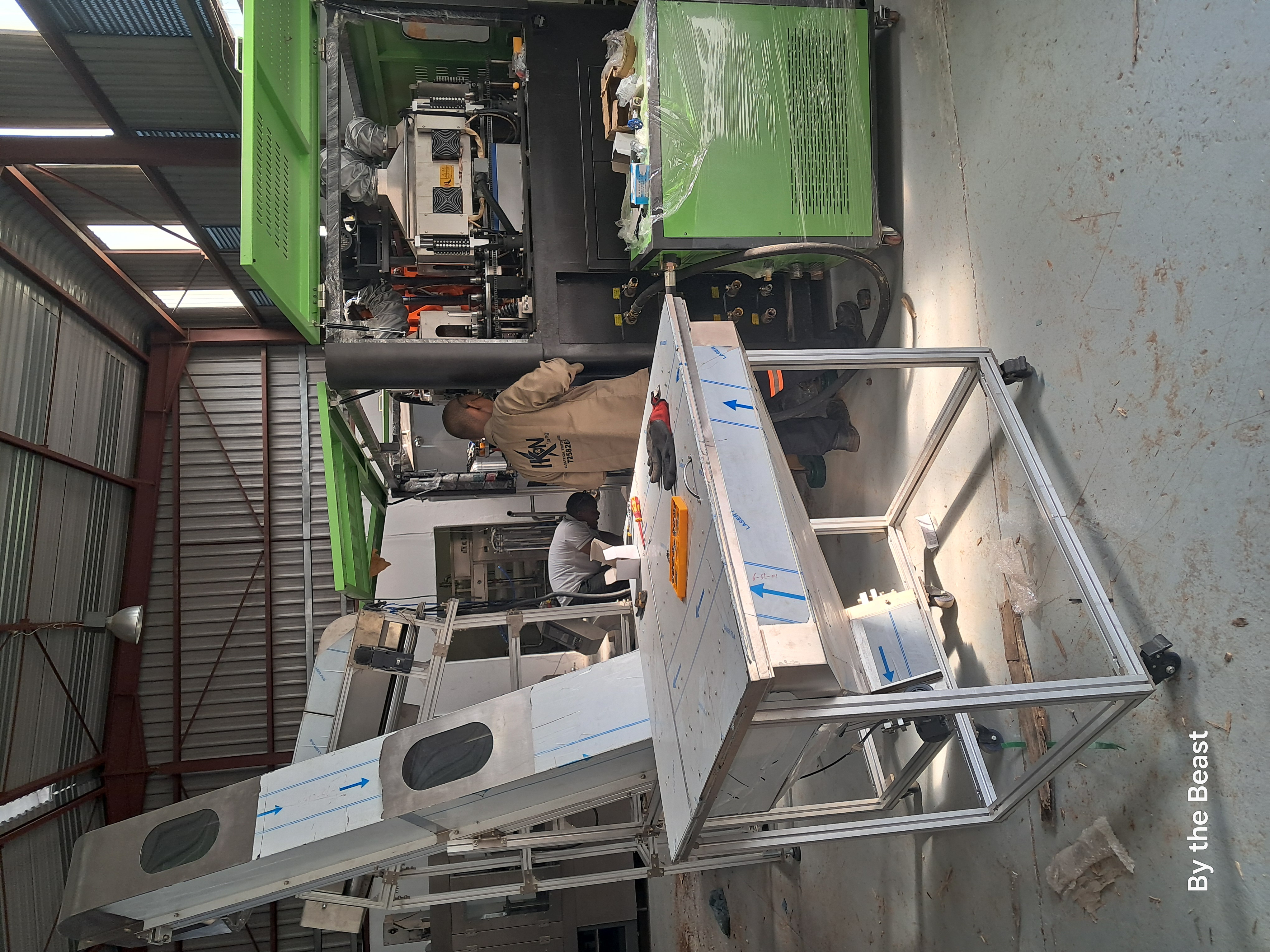
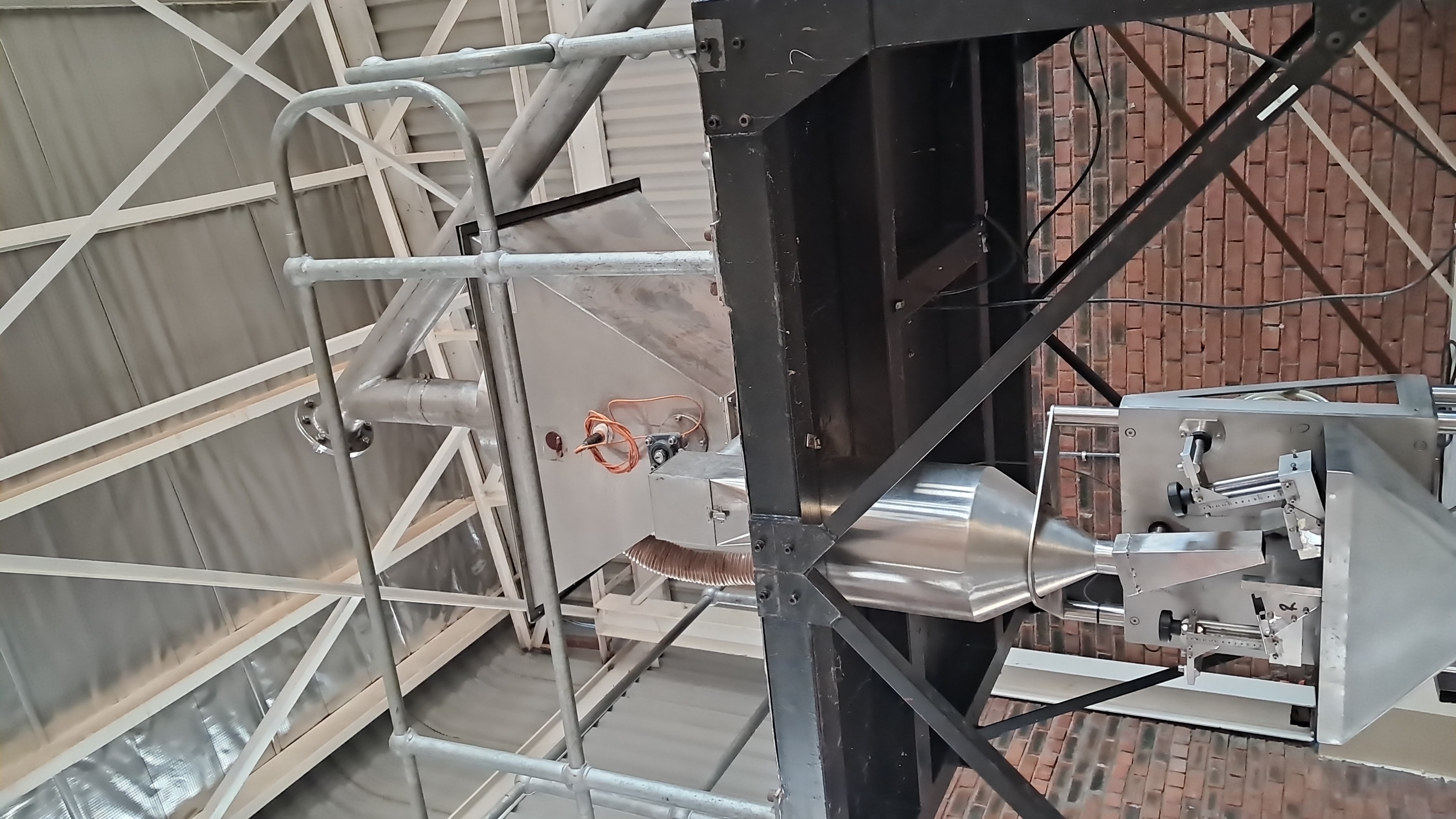
Get in touch with Aseyori Consulting for the supply, installation and maintenance of all the production equipment required to start up your business. Equipment will require an investment of between BWP100000 to 250000 depending on the desired output per hour.
Step-by-Step Jam-Making Process
1. Preparation of Fruits
Wash the red fruits thoroughly using a fruit washer to remove dirt and pesticides.
Remove stems, leaves, and pits (if using cherries or similar fruits).
Use a fruit crusher or pulping machine to mash the fruits into a smooth or chunky pulp, depending on the desired texture.
2. Cooking Process
Transfer the fruit pulp to a steam-jacketed kettle and begin heating at 70-80°C.
Gradually add sugar while stirring continuously using the mixer with an agitator.
Cook for about 15-20 minutes until the fruit breaks down and the sugar dissolves completely.
3. Addition of Pectin and Acid
Dissolve pectin in a small amount of warm water to prevent clumping, then add it to the boiling fruit mixture.
Continue cooking and stirring to evenly distribute the pectin.
Add citric acid to adjust acidity (pH should be 3.0-3.5).
Boil the mixture until it reaches 65-68° Brix (measured with a Brix refractometer).
4. Final Cooking and Homogenization
Continue heating to 105°C to ensure proper gel formation.
Stir the mixture thoroughly to achieve uniform consistency.
5. Filling and Sealing
The hot jam (85-90°C) is transferred into clean, sterilized jars using a filling machine.
Immediately cap the jars with a capping machine to create an airtight seal.
6. Cooling and Labeling
The sealed jars are placed on a cooling conveyor or in a water bath to cool them gradually.
Once cooled, the production date, expiry date, batch numbers and product labels are applied then the Jam is stored in a cool, dry place.
Final Notes
Ensure strict hygiene standards and use food-grade stainless steel equipment.
The shelf life of properly processed jam is 12-24 months if stored correctly.
Adjust sugar content depending on the natural sweetness of the fruit.